


-
About
-
Product
-
Solution
-
Support
-
News
-
Join
About
Product
Solution
Support
News
Join

 PubDate:2026-06-05
 ViewNum:287
From June 1 to 5, the 2nd International Training Course on AI-enabled Public Early Warning was successfully held in Shanghai, hosted by the Shanghai Meteorological Bureau. The event gathered meteorological professionals, experts and scholars, as well as government and enterprise representatives from more than 30 countries worldwide. Participants conducted in-depth discussions on cutting-edge topics including the application of AI in public early warning, precise prevention and control of extreme weather, and multi-disaster meteorological monitoring.
A special industry equipment exhibition was held concurrently, showcasing world-leading achievements in atmospheric detection technology. Hangzhou Qianhai Technology made a strong appearance with a full range of core meteorological detection equipment. We leverage high-performance domestic detection products to support the development of the global meteorological early warning system.
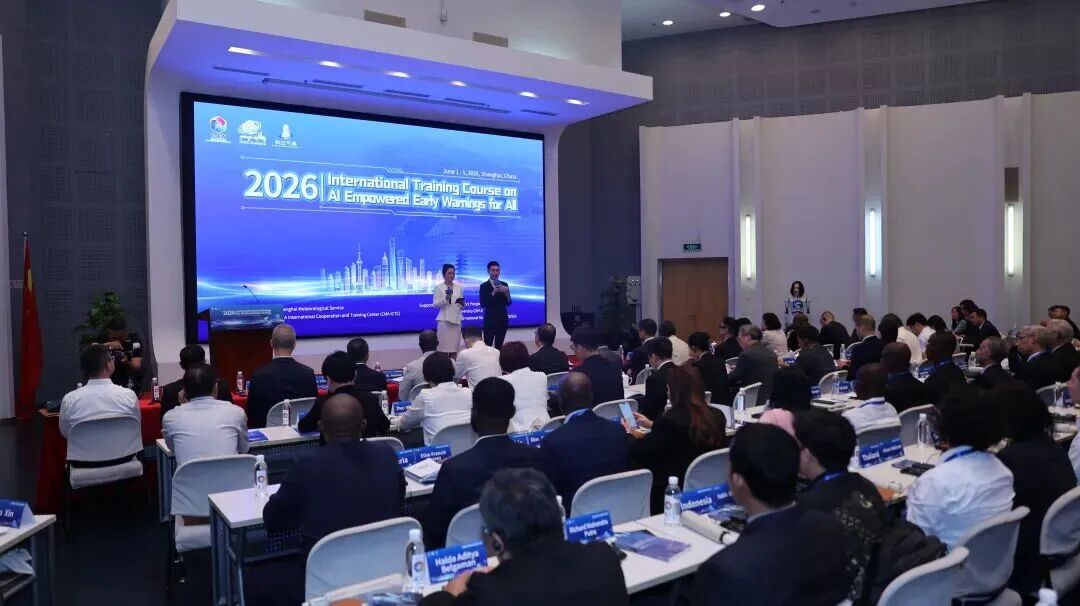
Xu Xianghua, Deputy Director-General of the International Department of China Meteorological Administration; Yu Jun, Officer of the WMO Regional Office for Asia and the South-West Pacific; Gong Kankan, Vice District Chief of Songjiang District People's Government of Shanghai; Chen Ge, Vice President of Donghua University; and Feng Lei, Director of Shanghai Meteorological Bureau attended the opening ceremony and delivered speeches in sequence.
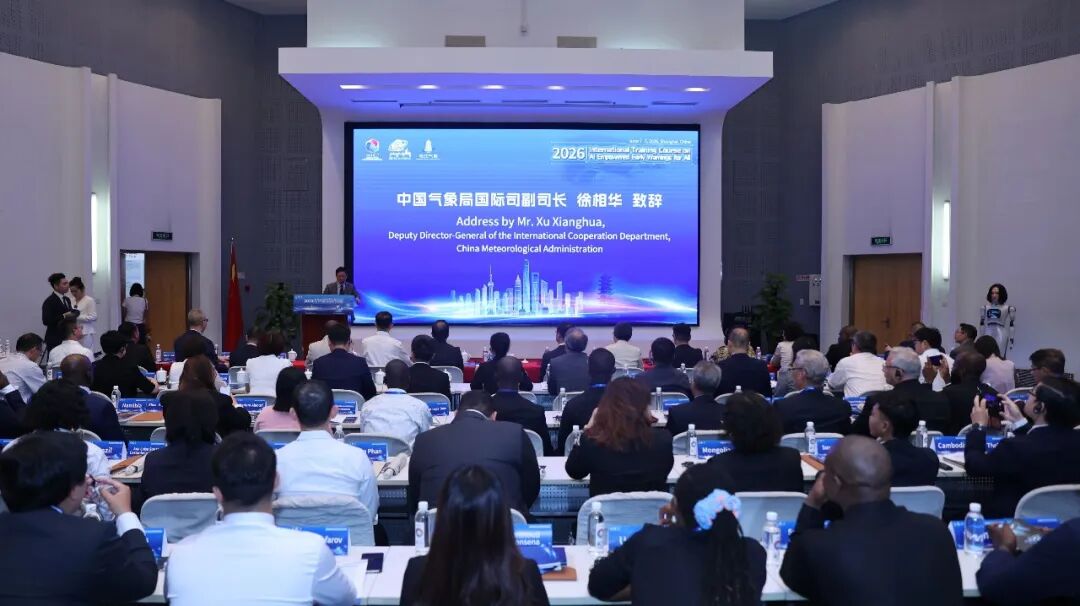
Speech by Xu Xianghua, Deputy Director-General of the International Department, China Meteorological Administration
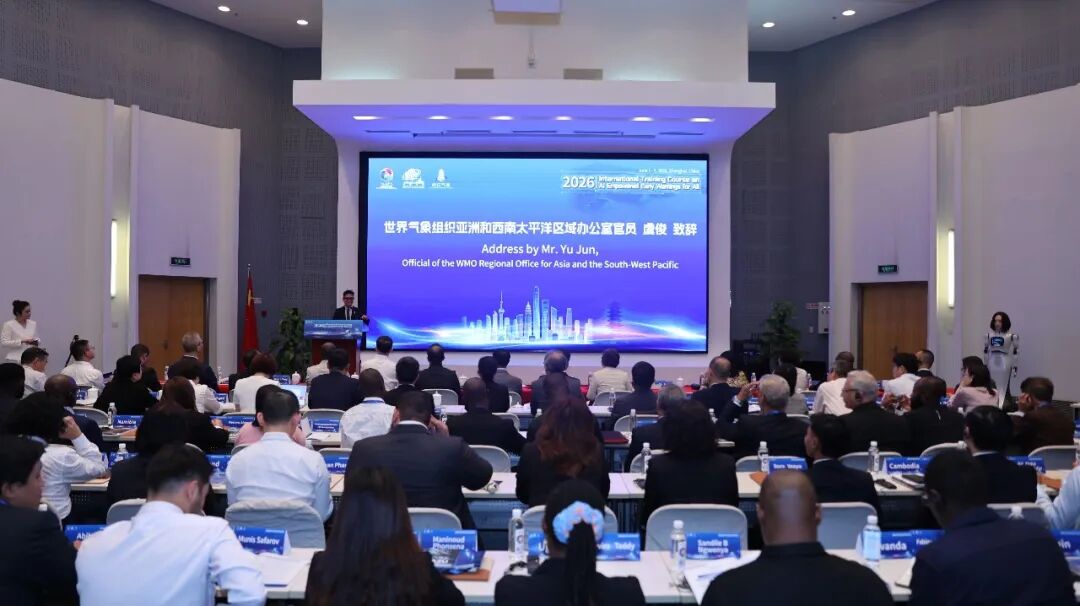
Speech by Yu Jun, Officer of WMO Regional Office for Asia and the South-West Pacific
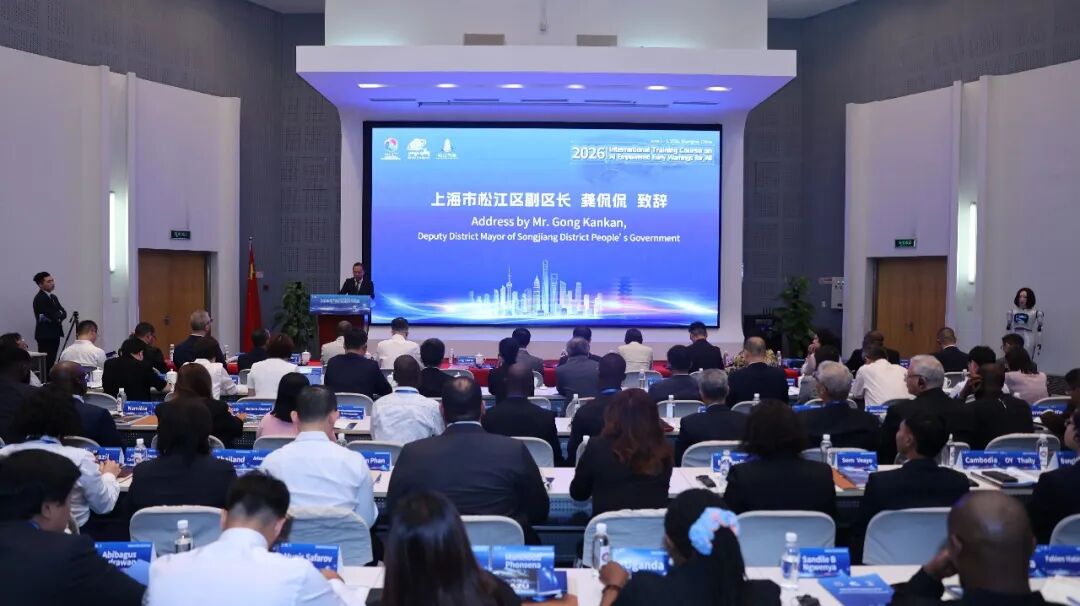
Speech by Gong Kankan, Vice District Chief of Songjiang District, Shanghai
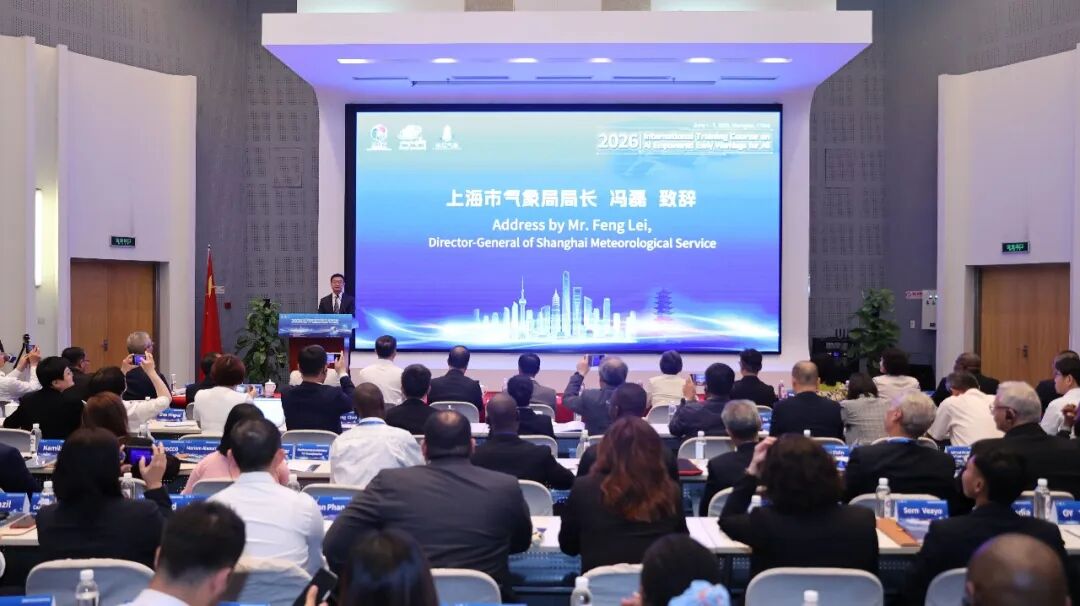
Centering on WMO's Global Early Warnings for All Initiative, this training course takes AI-enabled meteorological detection as its core focus. It aims to address shortcomings in meteorological monitoring across countries and facilitate the implementation of disaster early warning systems. The equipment exhibition serves as a key platform for international technical exchanges and solution selection.
Microwave Radiometer (SMR-100)Adopting passive remote sensing technology, it continuously retrieves atmospheric temperature and humidity profiles around the clock. With no radiation emission, it is ideal for deployment at unattended stations and provides sustained profile data to support the monitoring of short-term severe convection.
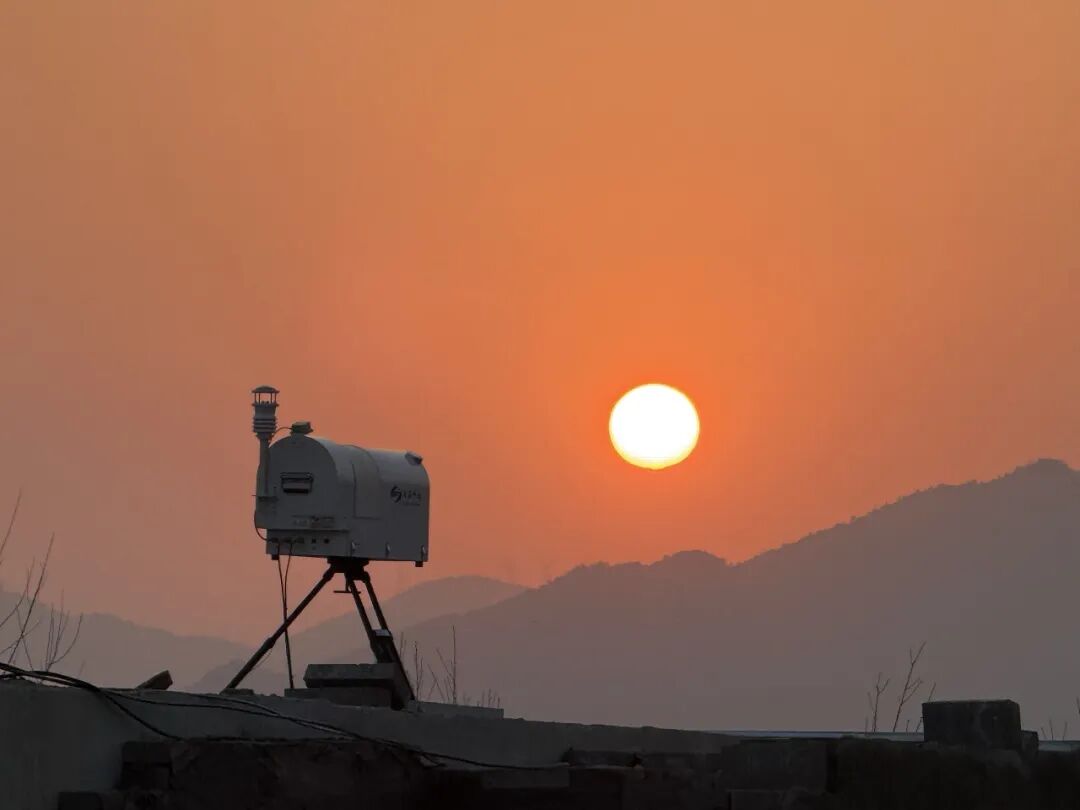
2D Visual Disdrometer (SVD-2)It visually captures the particle size and falling velocity of precipitation particles, and automatically identifies weather phenomena such as rain, snow and hail. Capable of finely analyzing microphysical characteristics of precipitation, it is a key device for research on rainstorm-induced waterlogging and weather modification.
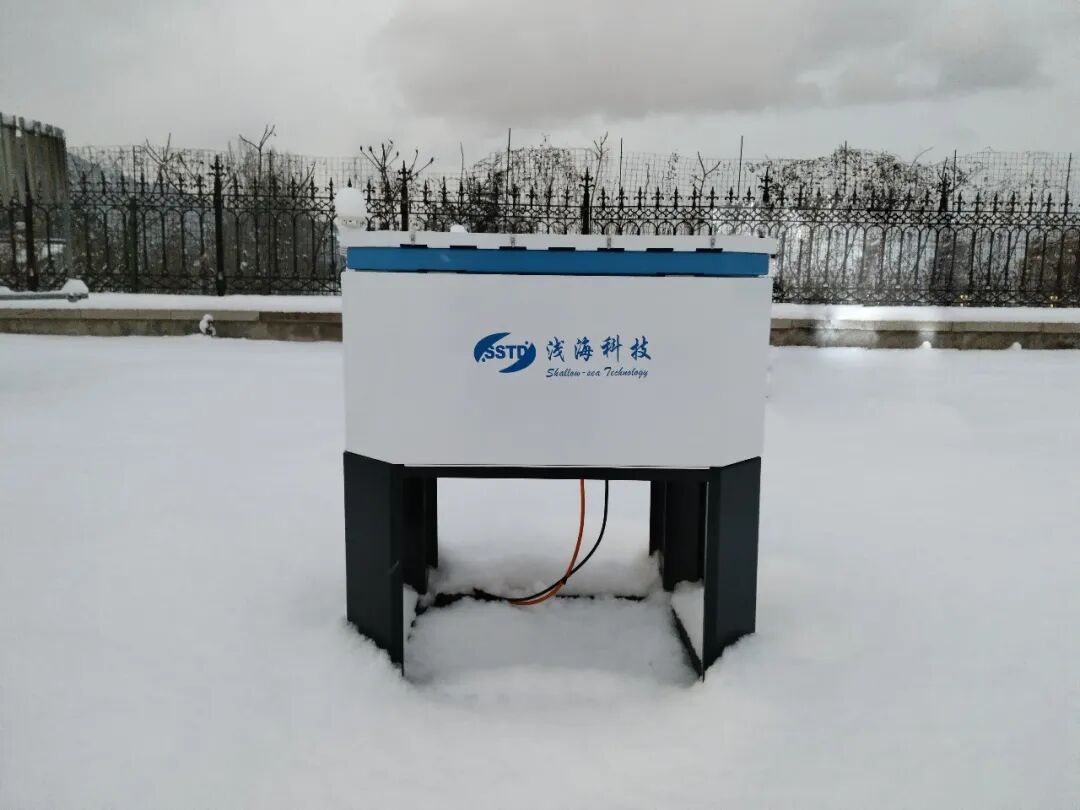
Cloud Combined Detection & Analysis System (SCCP-200)It realizes integrated networking of multi-source devices and conducts continuous observation of clouds and liquid water. The system tracks cloud system evolution around the clock, empowering short-range nowcasting and command for artificial precipitation enhancement operations.
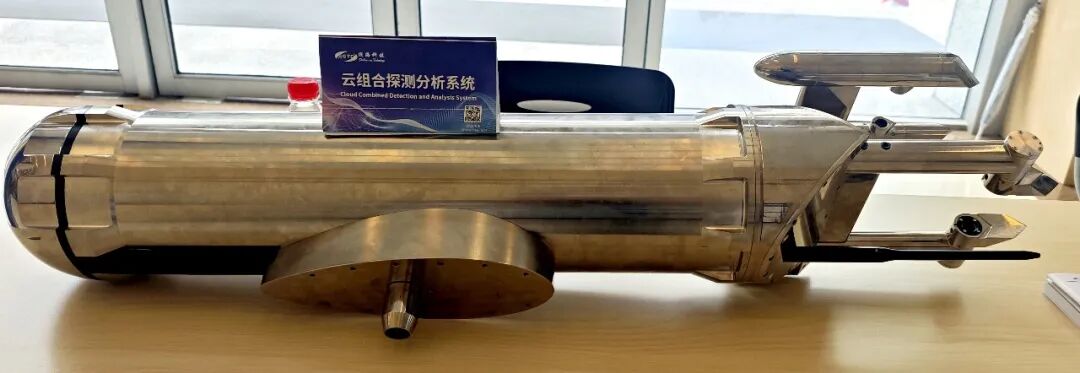
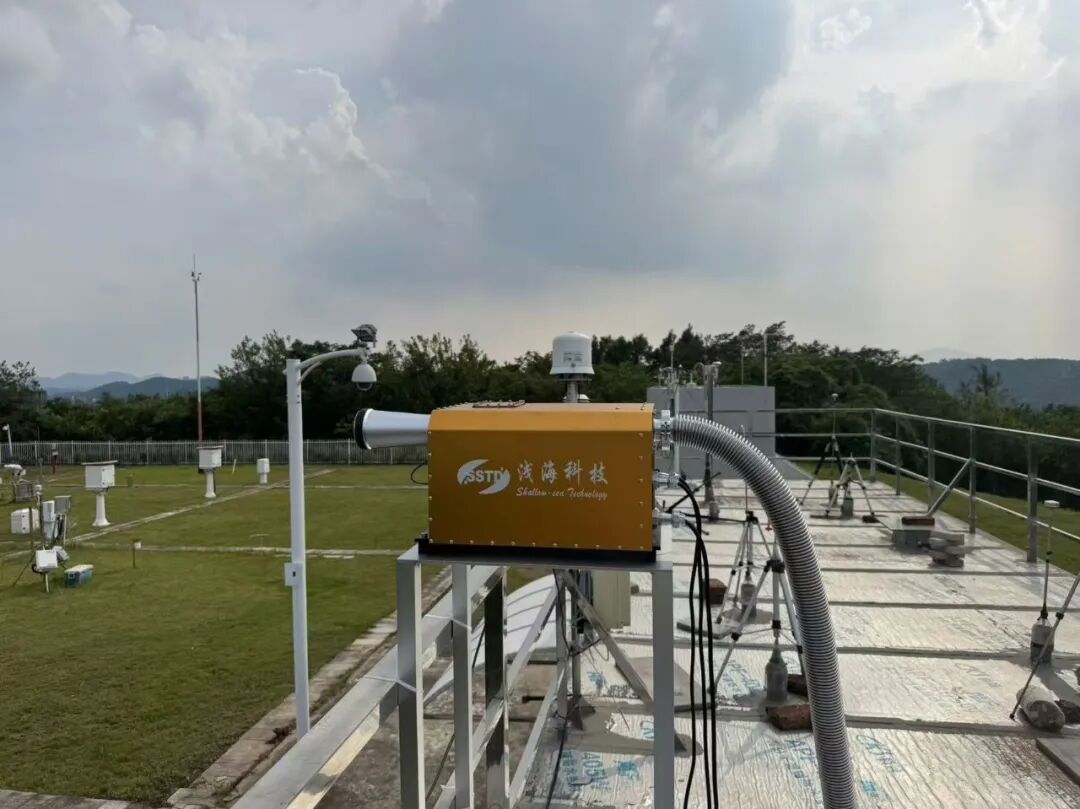
Wind LidarWith long-range and short-range units deployed in combination, it performs 3D scanning to map full-range low-altitude wind fields. It accurately detects low-level wind shear and turbulence, safeguarding airport navigation safety, urban severe convection early warning and wind power meteorological support.
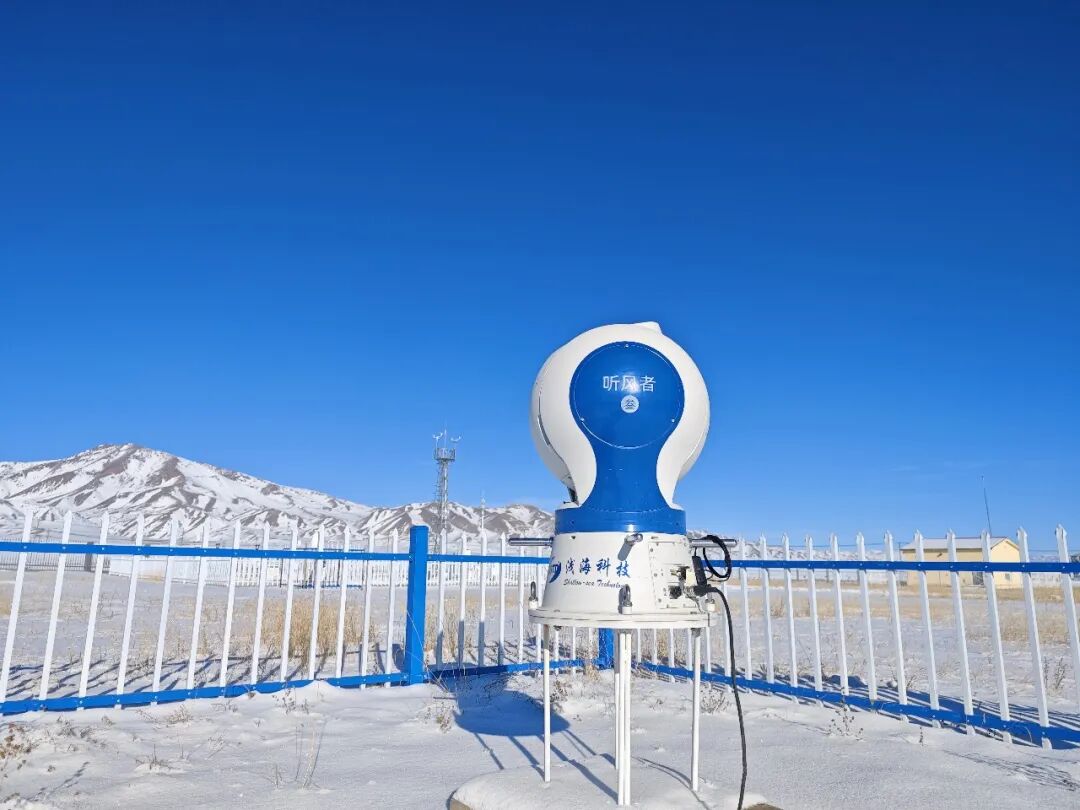
Fog Droplet Spectrometer System (SFM-2000)It precisely collects the particle size distribution of fog droplets and quantifies the formation, evolution and dissipation of dense fog and advection fog. The system supports early warning and prevention of low visibility along expressways, at ports and airports.
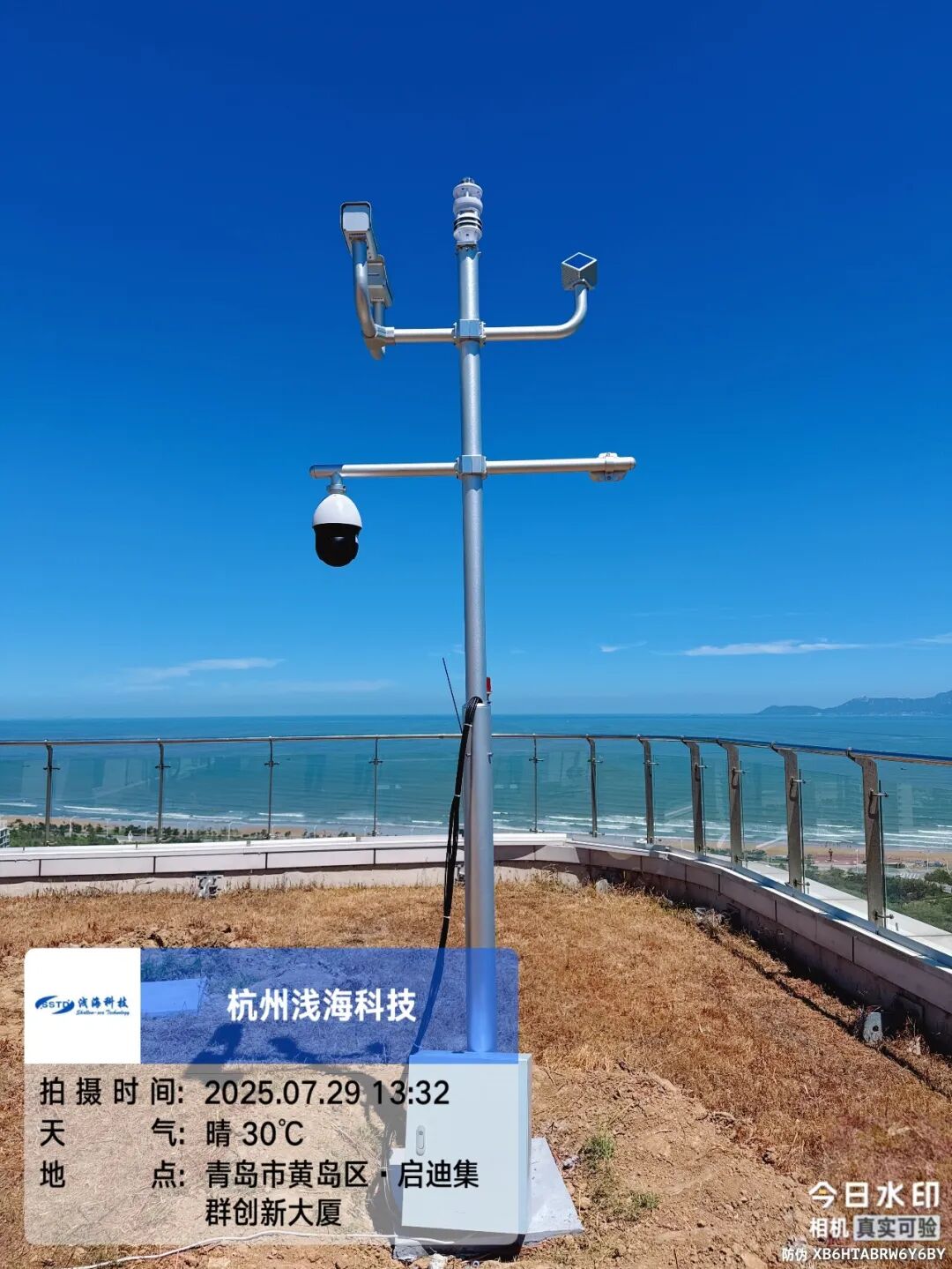
Integrated Weather StationIt conducts full-element monitoring including temperature, humidity, air pressure, precipitation, freezing rain, wind speed and wind direction. Featuring compact integrated design and quick deployment, it is applicable to urban grid monitoring, field stations and park meteorological security scenarios.
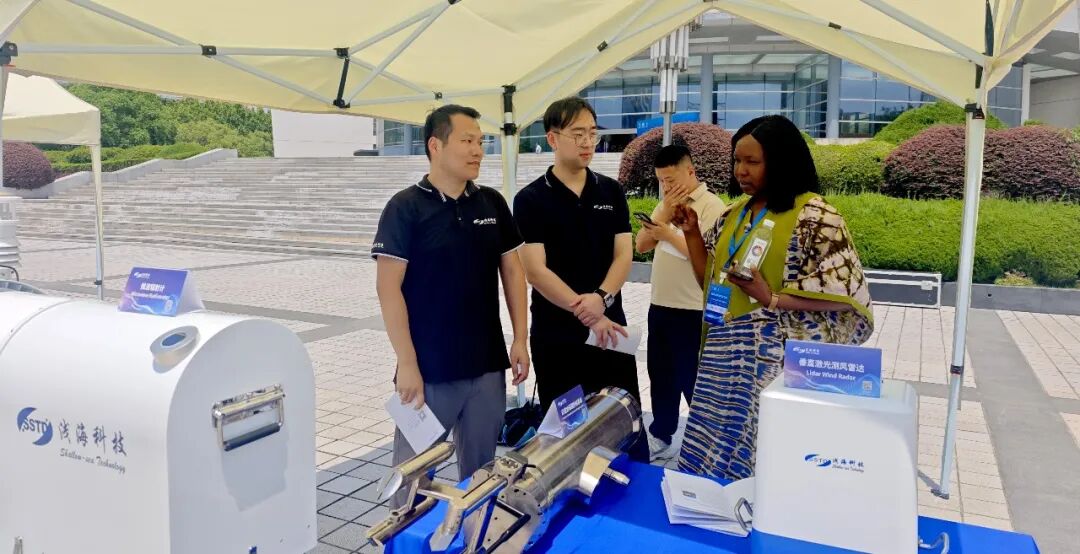
At the exhibition, meteorological officials and technical experts from Asia, Africa and Latin America visited Qianhai's booth. They exchanged in-depth views on equipment performance, adaptability to extreme environments and completed application projects.
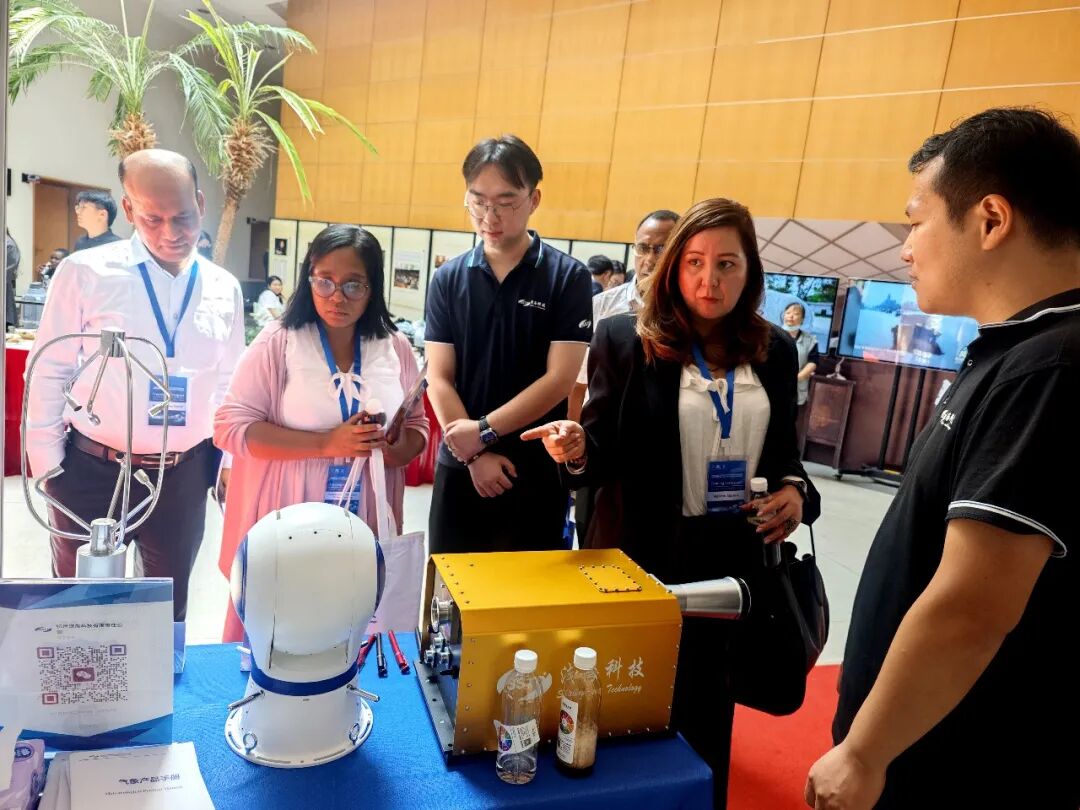
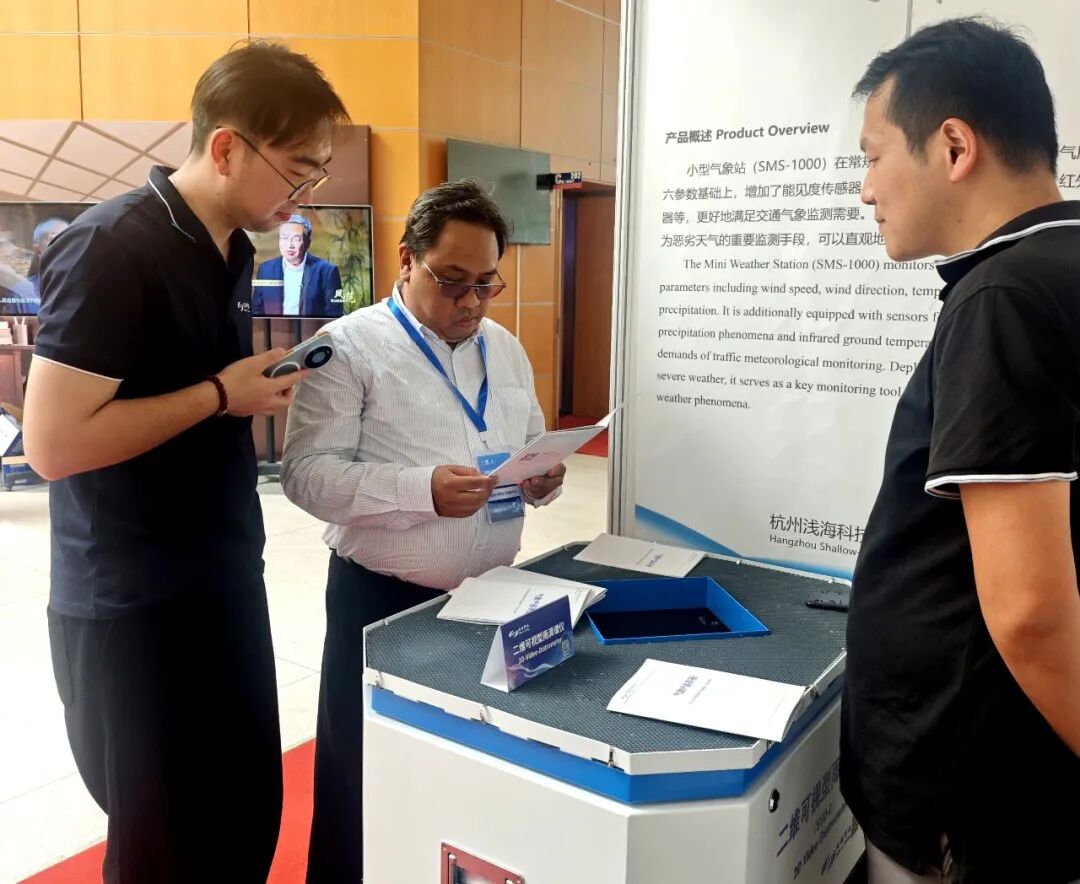
From provincial and municipal meteorological networking across China, specialized meteorological support for transportation, civil aviation and water conservancy, to assisting developing countries worldwide in improving early warning infrastructure, Qianhai Technology always takes independently controllable meteorological detection hardware as its foundation. Keeping pace with the global trend of the Early Warnings for All initiative, we continuously advance the in-depth integration of detection hardware and AI-based early warning technologies.
In the future, Qianhai Technology will continue to advance the iteration and upgrading of atmospheric detection technologies. Leveraging the global cooperation platform established at this international exhibition, we will further strengthen industry-university-research collaboration in the meteorological sector at home and abroad. With reliable domestically developed meteorological equipment, we will help improve the global early warning system for meteorological disasters and contribute Chinese smart manufacturing to global disaster prevention and mitigation efforts.
 Next:Chengdu Grand Event, Smart Meteorology Shallow Sea Technology attends the 19th Science & Technology Expo for Meteorological Modernization with full-chain detection equipment.




 WeChat
 T1-11F, Herui Science and Technology Park, Binjiang District, Hangzhou City, Zhejiang Province


