


-
About
-
Product
-
Solution
-
Support
-
News
-
Join
About
Product
Solution
Support
News
Join

 PubDate:2026-05-18
 ViewNum:307
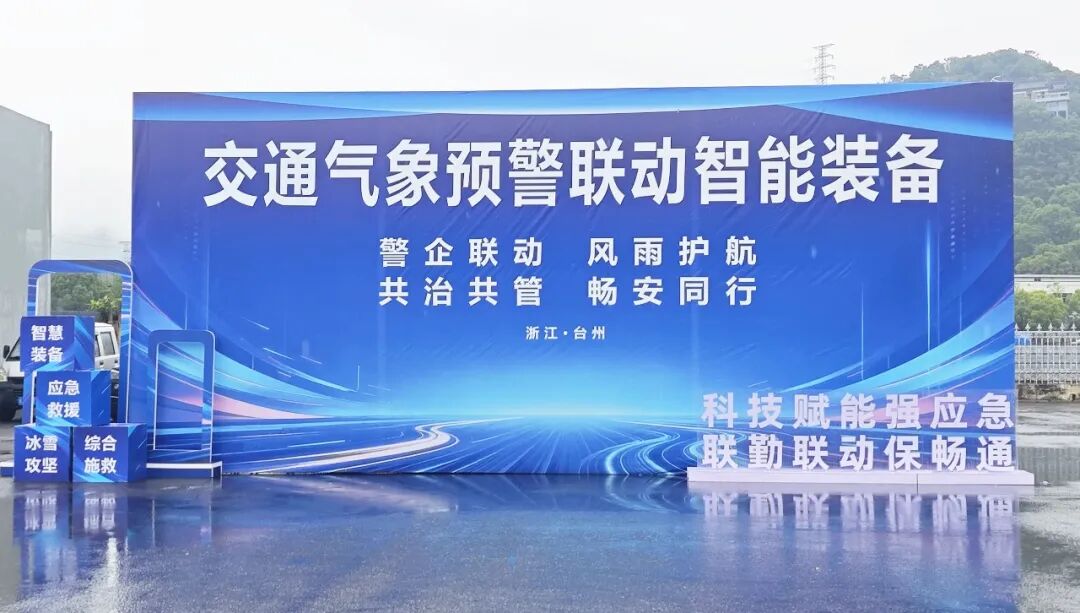
Hangzhou Qianhai Technology was invited to showcase 13 core meteorological detection devices, including the UAV Monitoring System (M-UAS1000), Fog Droplet Spectrometer (SFM-2000), Microwave Radiometer (SMR-1000), Two-Dimensional Visual Disdrometer (SVD-2), Mie-Scattering Aerosol Lidar (MPL-5000), All-in-One Weather Station (SMS-1000), WindListener Series Wind Lidar and Marine Meteorological Drifting Buoy (SOB17BS). The display highlighted innovative applications and practical value of meteorological technologies in the transportation sector, helping build a transportation meteorological support system featuring **precision monitoring, accurate early warning and efficient coordination.
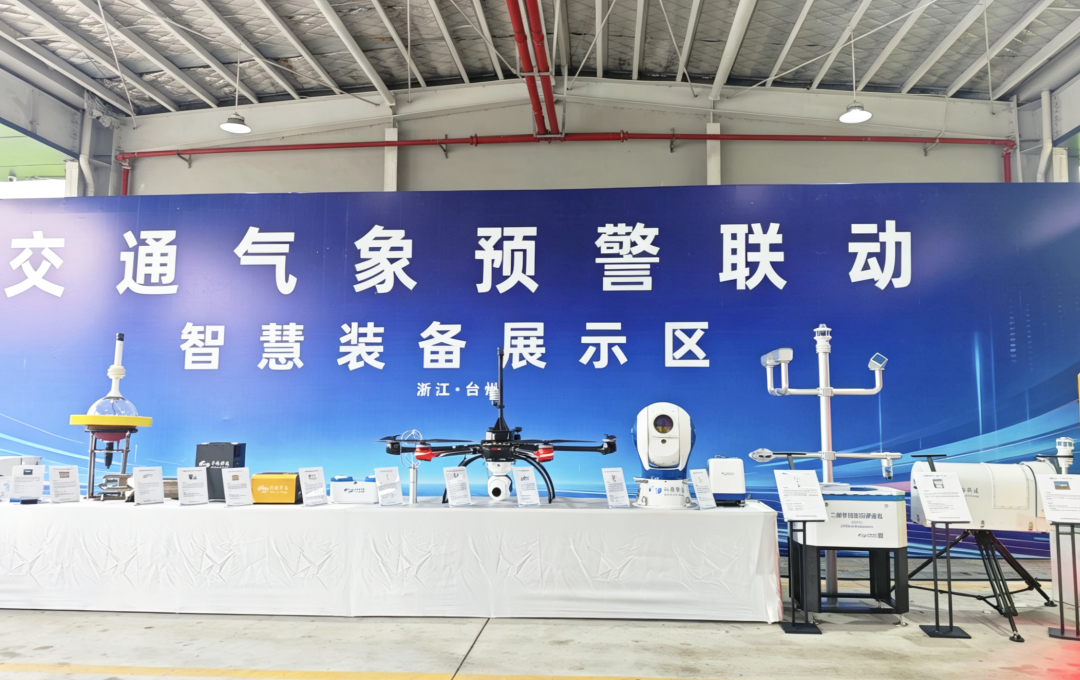
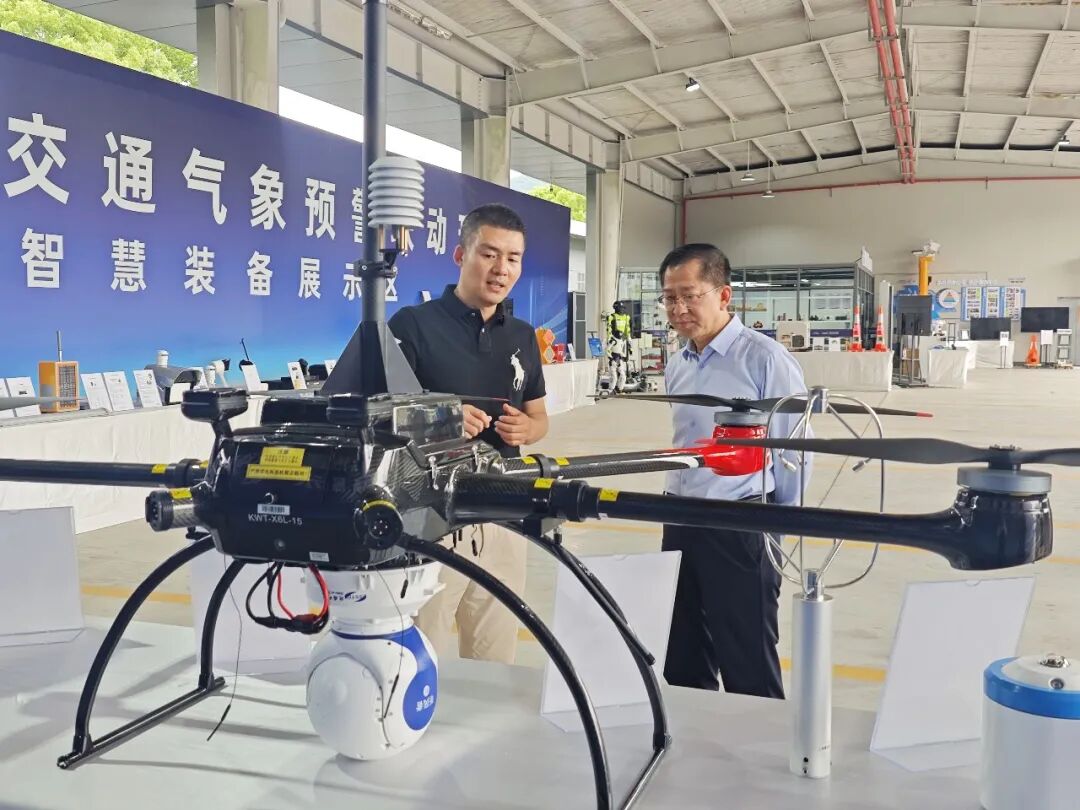
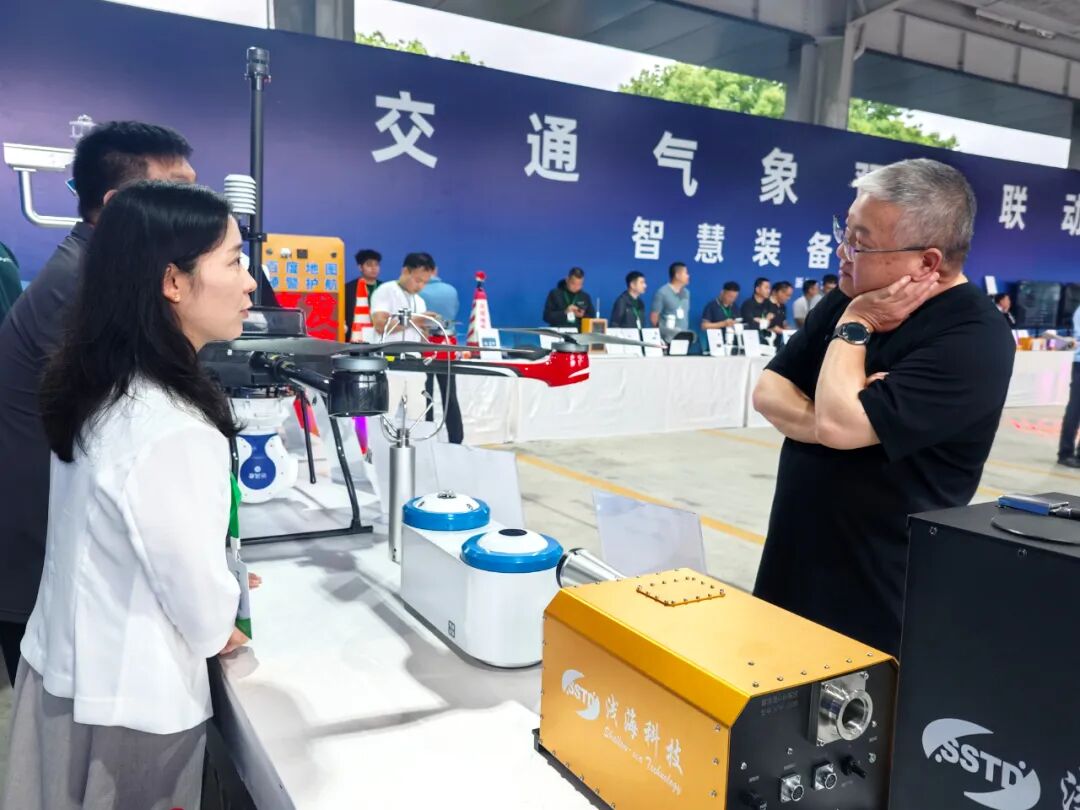
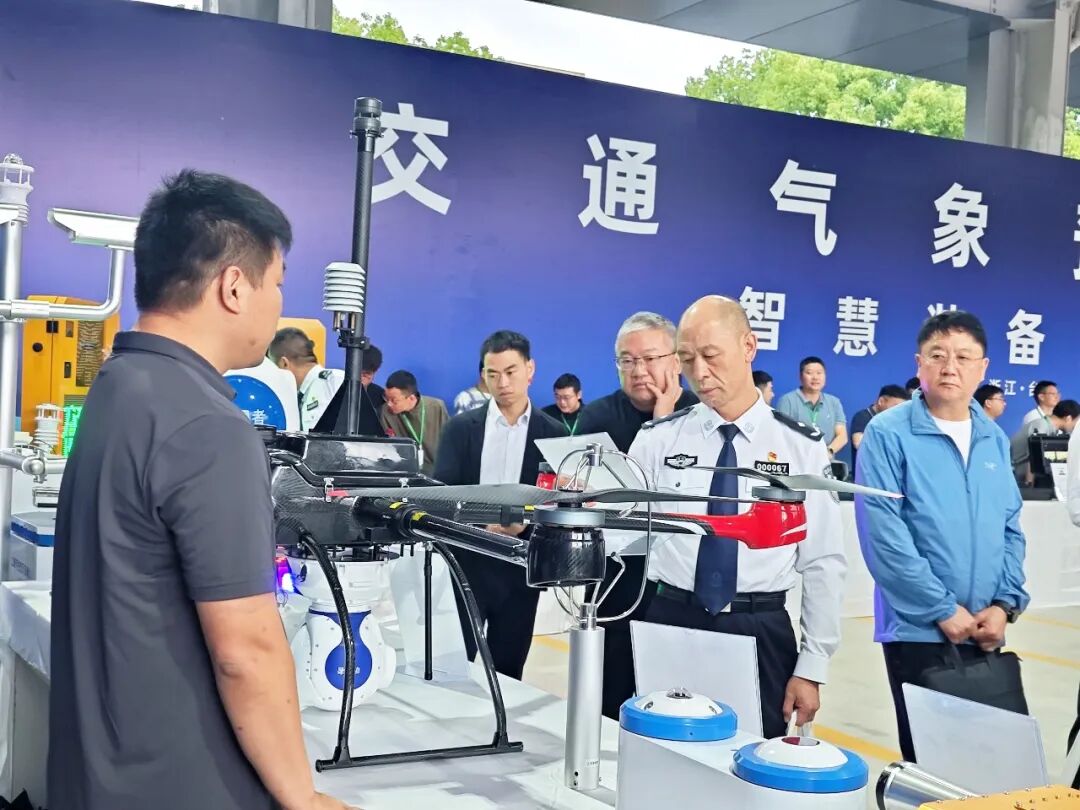
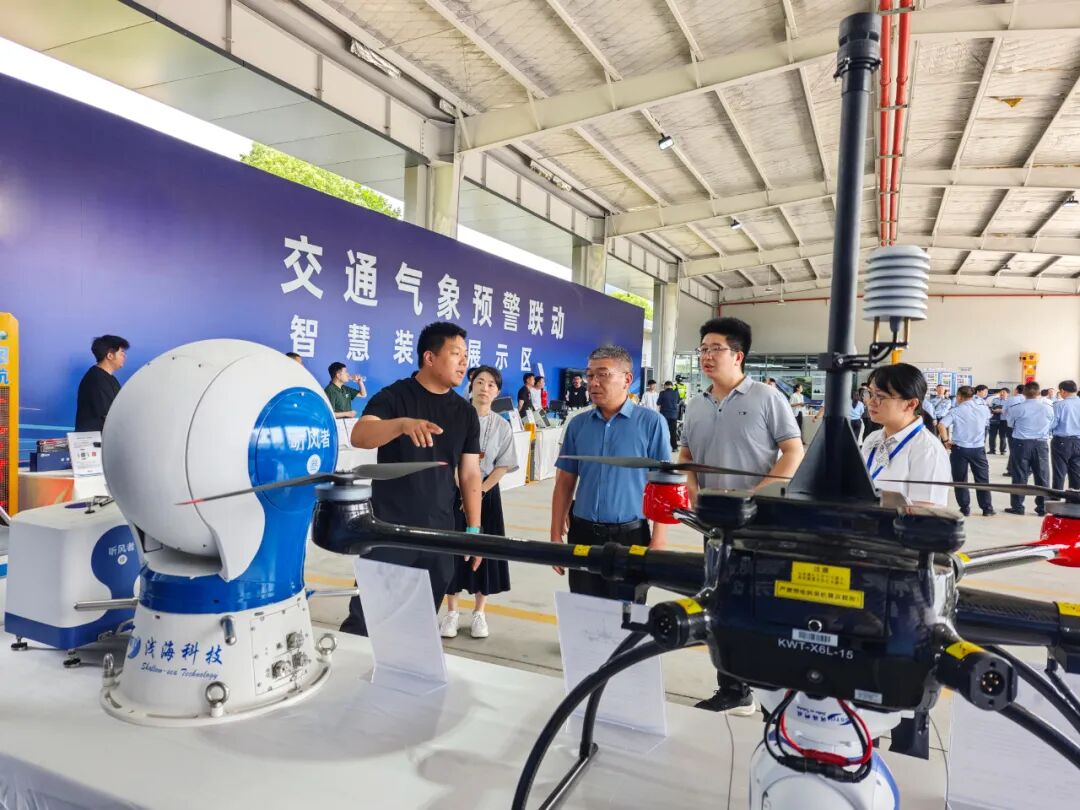
With years of expertise in meteorological detection, Hangzhou Qianhai Technology targets key challenges in transportation meteorology. Our full range of detection equipment enables all-element, three-dimensional and high-precision monitoring covering low-altitude wind fields, precipitation patterns, fog density, atmospheric visibility, road conditions and marine meteorology, delivering solid technical support for coordinated transportation meteorological early warning.
Application Highlights of Core Equipment in Transportation Sector
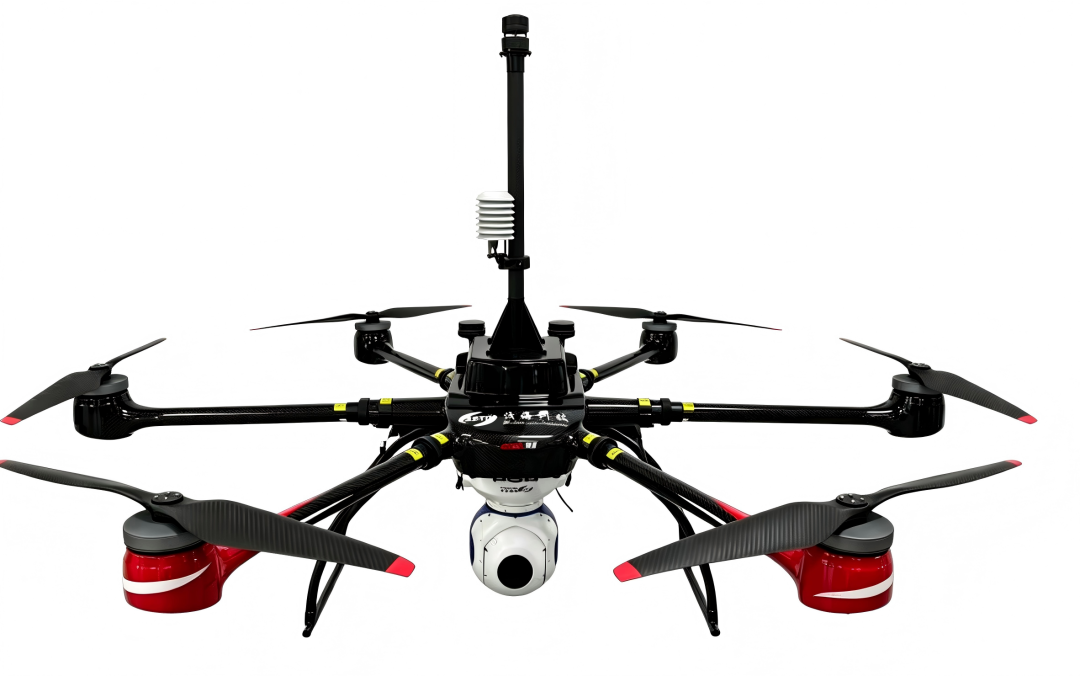
UAV Monitoring System (M-UAS1000)
Equipped with mini meteorological sensors, the system features high mobility, rapid deployment and air-ground coordination capabilities. For traffic emergencies including sudden rainstorms, dense fog, road damage and landslides, it conducts close-range, high-precision and dynamic monitoring of meteorological conditions and road status. It collects on-site real-time data to support emergency command, rescue dispatch and traffic diversion, making up for blind spots of fixed monitoring facilities.
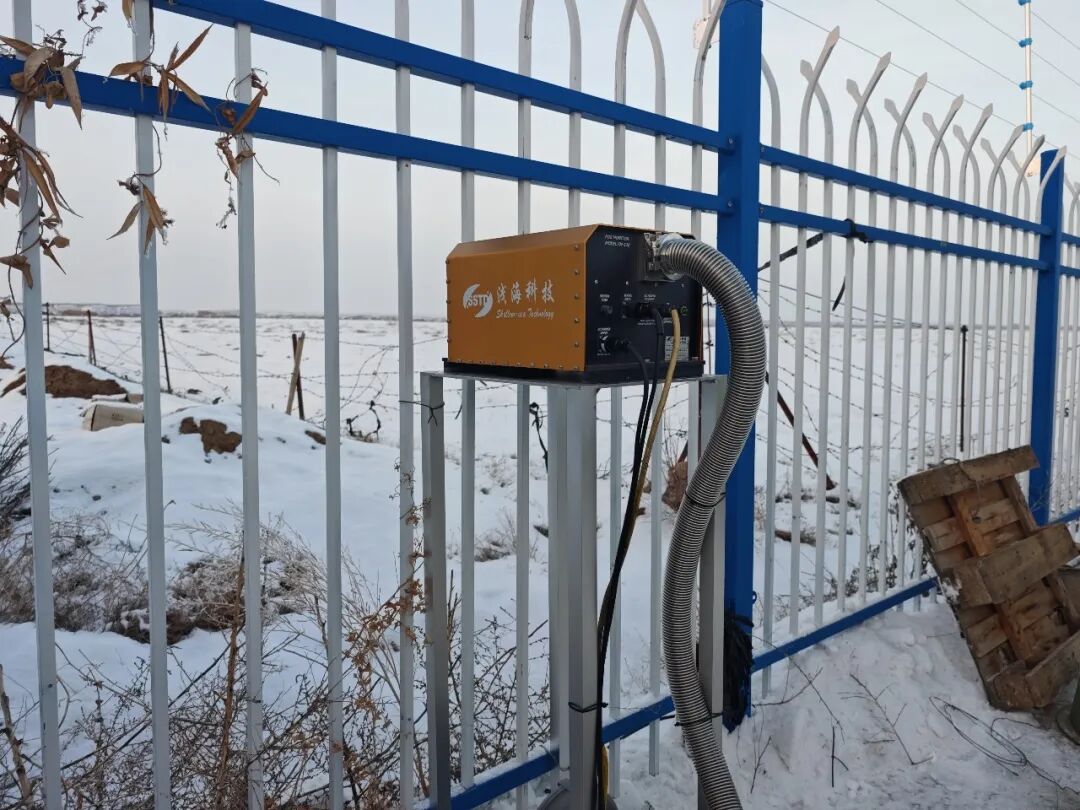
Fog Droplet Spectrometer (SFM-2000)
It specializes in detecting fog microphysical characteristics and accurately measures fog droplet size, concentration and other parameters to derive visibility and the evolution trend of fog.
Microwave Radiometer (SMR-100)
As a passive microwave remote sensing device, it conducts 24-hour unattended continuous detection of vertical temperature and humidity profiles within the 0-10 km troposphere. In transportation scenarios, it detects changes in atmospheric stratification ahead of severe convection, rainstorms and other adverse weather. It provides nowcasting for meso- and micro-scale weather on expressways, airport runways and urban express roads, helping traffic authorities formulate plans for traffic diversion and speed limit control, and mitigate impacts of sudden severe weather.
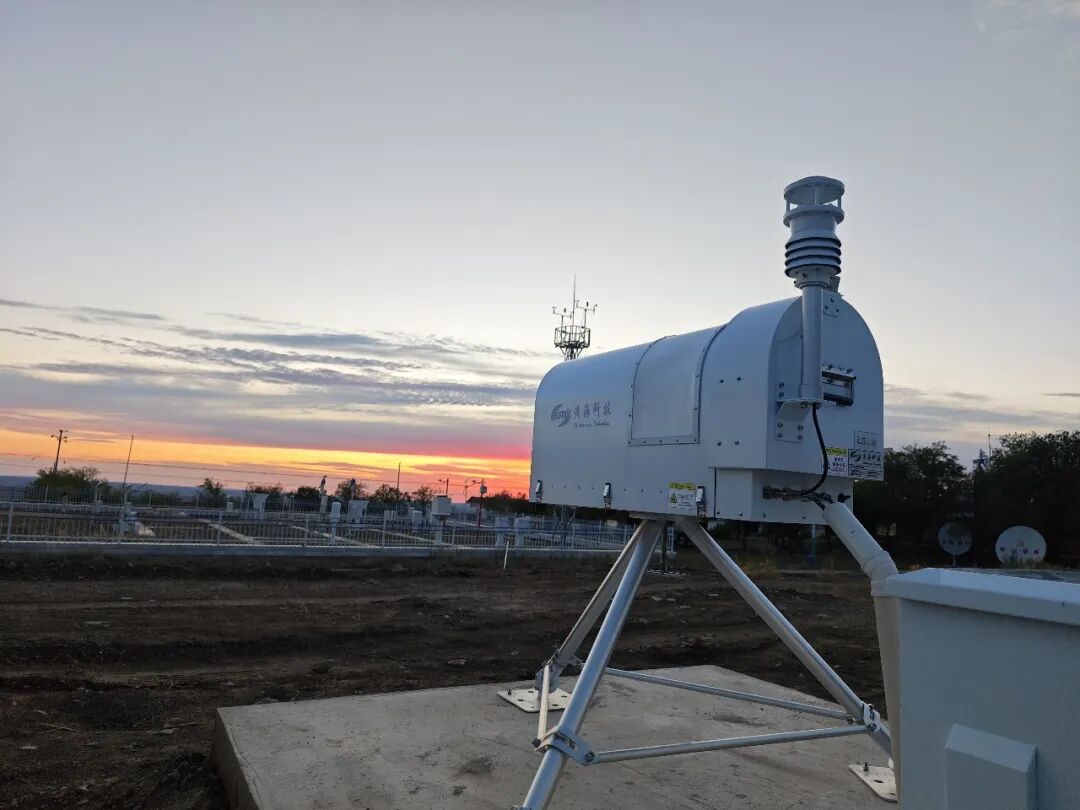
Two-Dimensional Visual Disdrometer (SVD-2)
Adopting infrared beam detection technology, it precisely measures the size, falling velocity and spectral distribution of precipitation particles, and automatically identifies drizzle, rain, sleet, snow, hail and other precipitation types.
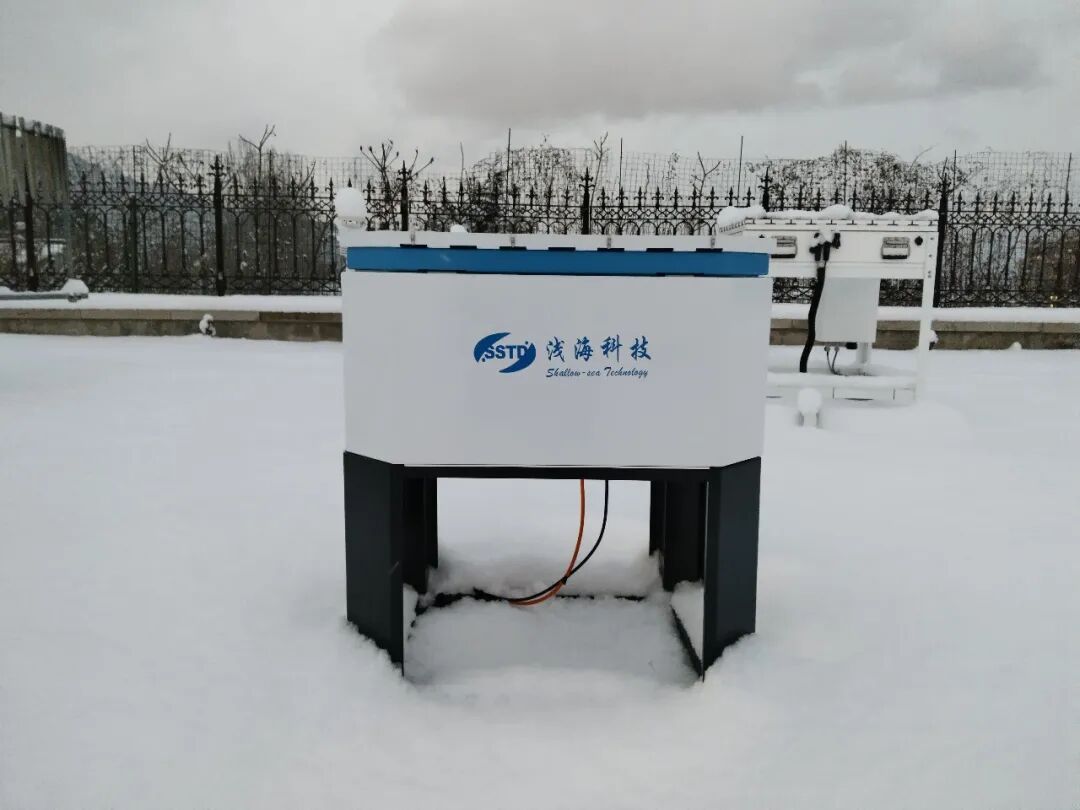
Mie-Scattering Aerosol Lidar (MPL-5000)
Based on laser remote sensing technology, it real-timely detects atmospheric aerosol distribution, vertical visibility, mixing layer height and particulate matter concentration.
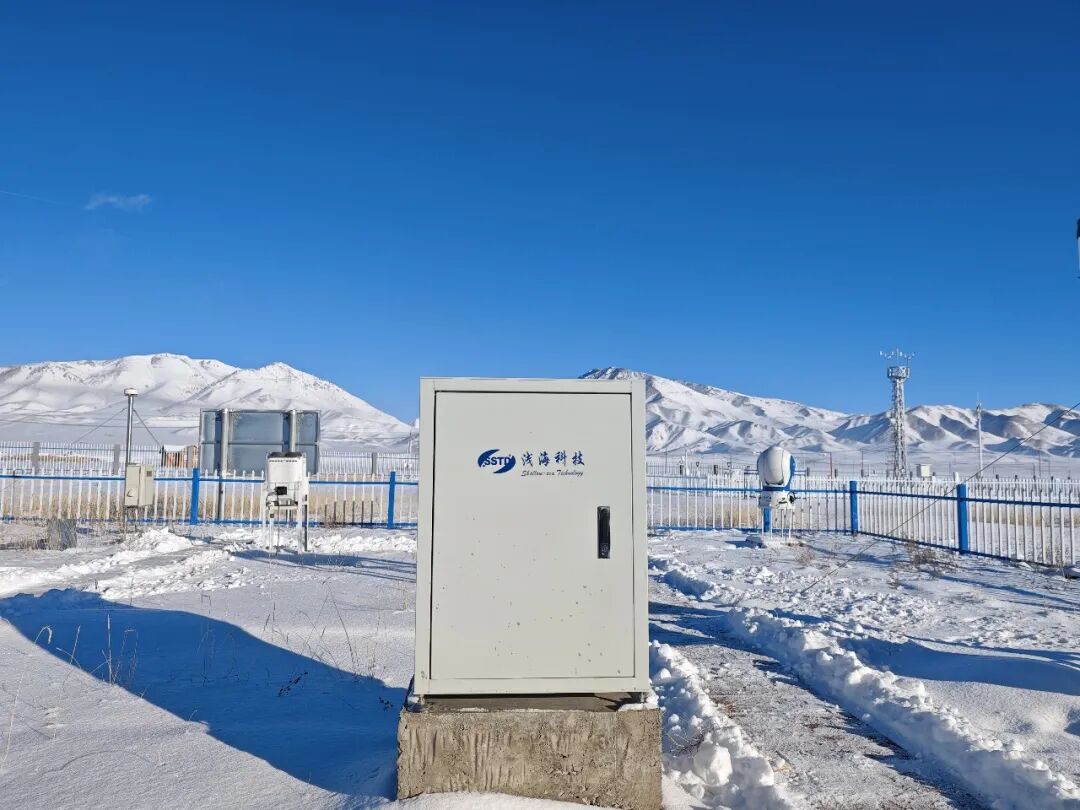
All-in-One Weather Station (SMS-1000)
Integrated with sensors for wind speed, wind direction, temperature, humidity, air pressure, precipitation and road surface temperature, it features compact design, easy installation and low power consumption.
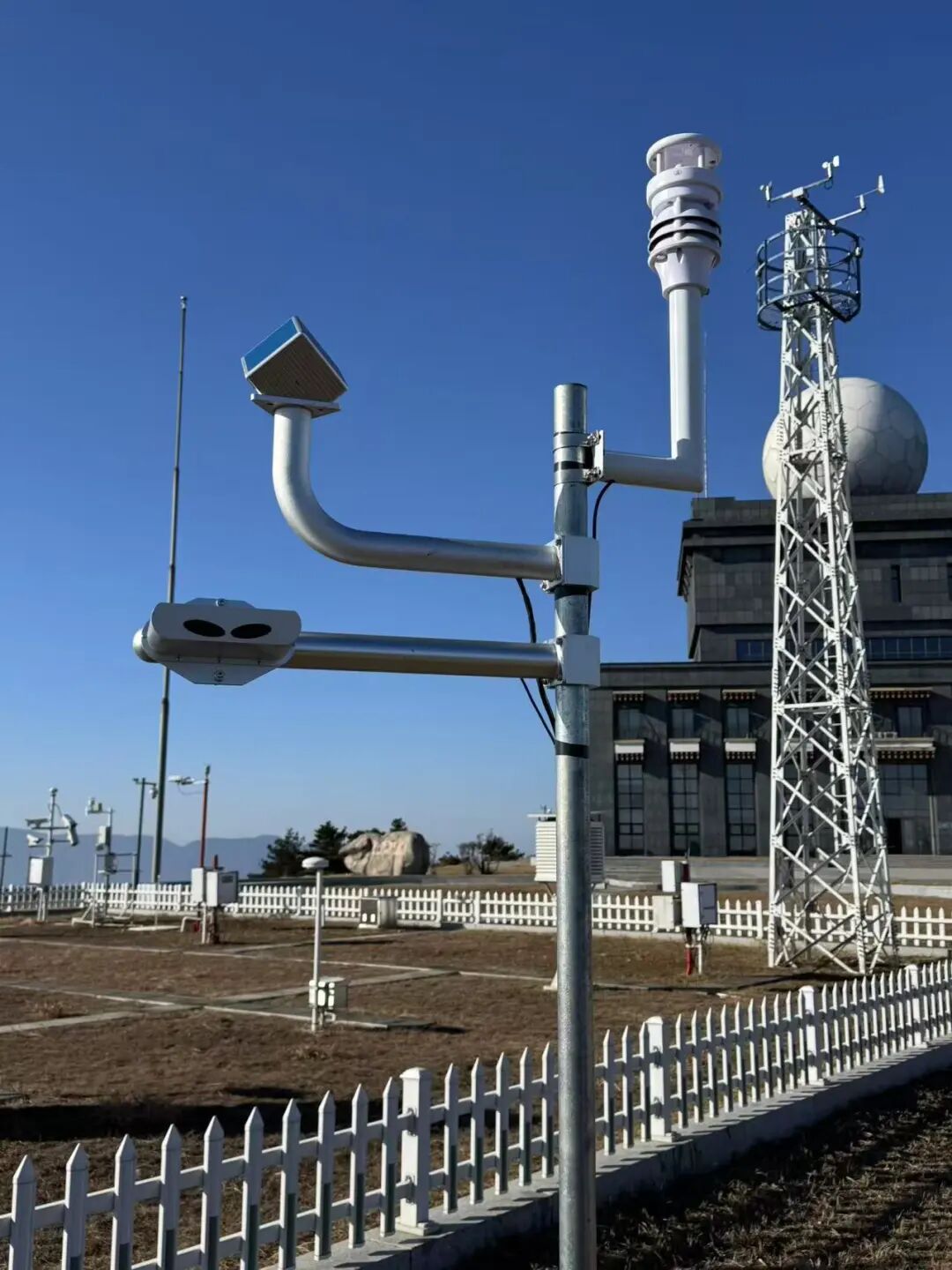
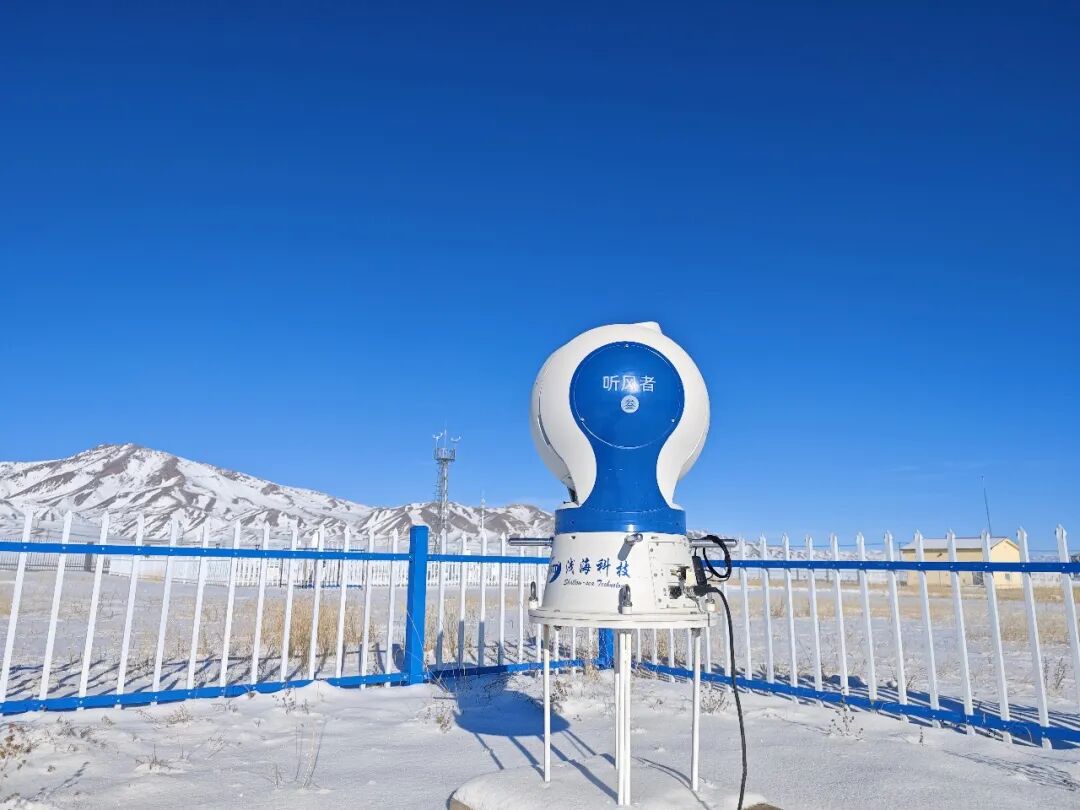
WindListener Series Lidar Wind Profiler
Adopting pulsed laser coherent detection technology, the WindListener series wind measurement equipment accurately detects low-altitude three-dimensional wind fields, vertical profiles of wind speed and direction, and turbulence intensity. It boasts extensive application value in the transportation field:
Expressways and mountain roads: It monitors strong winds, gusts and cross winds, provides early warnings of cross wind risks, and prevents vehicle rollover accidents.
Airports and high-speed railway stations: It safeguards low-altitude wind field safety for aircraft takeoff and landing as well as high-speed rail operation, and gives early warnings of wind shear and severe turbulence.
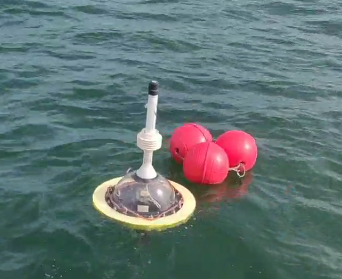
Marine Meteorological Drifting Buoy (SOB17BS)
It can be deployed in land‑sea transport scenarios such as ports, waterways and sea‑crossing bridges, providing 24/7 real‑time monitoring of key marine meteorological and hydrological parameters: sea surface wind speed/direction, air temperature, humidity, atmospheric pressure, waves and currents. With high‑frequency data acquisition and stable transmission, it delivers accurate marine weather early warnings for safe ship navigation, intelligent port operation scheduling, and structural safety monitoring of sea‑crossing transport infrastructure. It effectively mitigates threats from marine meteorological disasters (strong winds, storm surges, dense fog, severe convection) to maritime traffic, reducing accident risks and economic losses. It supports the development of an integrated land‑sea transport meteorological guarantee system featuring land‑sea coordination, data fusion, precise early warning and efficient dispatch, underpinning the construction of a strong transportation nation and a strong ocean nation.
At this exhibition, Shallow Sea Technology takes Precision Detection Empowers Transportation, Meteorological Technology Safeguards Safety as the core theme. We fully present a full-range transportation meteorology solution covering high-altitude atmosphere, road surface, land and sea, as well as fixed monitoring and mobile emergency response.
 Next:The Future of Atmosphere: Integrated Development | Shallow-sea Technology Attends the 2nd Future Atmospheric Science Forum




 WeChat
 T1-11F, Herui Science and Technology Park, Binjiang District, Hangzhou City, Zhejiang Province


